
What Is Answer Engine Optimization? AEO Guide 2026
Answer engine optimization (AEO) explained: what it is, how it differs from SEO and GEO, how engines pick the answer, and how to format for it. 2026 guide.

- Answer engine optimization (AEO) is structuring your content so search and AI engines lift it as the direct answer to a question: featured snippets, People Also Ask, voice results, and the extracted passages in Google AI Overviews.
- Where traditional SEO earns a ranked link, AEO earns the answer box that sits above the links. Ranking makes you eligible; formatting gets you in.
- It's a sibling of generative engine optimization: AEO wins the exact extracted passage, GEO wins the cited source in a synthesized answer. Most brands need both.
- The core moves are answer capsules, question-format headings, and FAQ or HowTo schema. The same structure that wins a snippet is what AI Overviews and ChatGPT extract too.
What is answer engine optimization?
Answer engine optimization (AEO) is the practice of structuring your content so search and AI engines lift it as the direct answer to a question. That covers featured snippets, People Also Ask boxes, voice-assistant responses, and the extracted passages inside Google AI Overviews. When an engine reads back a single result instead of showing ten links, AEO is the work that made your page the one it picked.
The term rose alongside the shift from "ten blue links" to answer-first search. It's the extraction half of the broader discipline people call AI SEO. The other half, becoming a trusted source that models cite in their own words, is generative engine optimization, which we compare below.
Also known as: AEO, featured snippet optimization, answer optimization, zero-click SEO.
How is AEO different from traditional SEO?
Traditional SEO earns you a ranked link people click. Answer engine optimization earns you the extracted answer box that sits above the links and often gets read without a click. Ranking gets you eligible for that box; AEO formatting gets you into it.
Here's the gap most sites miss: ranking on page one and owning the answer box are two different wins. You can sit at position two while a competitor holds the snippet above you, losing the visibility on structure alone, not authority. SEO decides whether you're in the running. AEO decides whether the engine picks your passage to quote. The two work together, and the pages that win both are the ones deliberately formatted for extraction.
| Factor | Traditional SEO | Answer engine optimization |
|---|---|---|
| Goal | Rank a clickable link | Own the extracted answer box |
| Surface | Search results list | Snippets, PAA, voice, AI Overviews |
| Top signal | Links and relevance | Answer structure and schema |
| Speed | Months | 2 to 6 weeks for ranking pages |
| Key assets | Content and backlinks | Answer capsules, FAQ/HowTo schema |
What is the difference between AEO and GEO?
AEO wins the exact extracted passage, where an engine lifts your words verbatim into a snippet or answer box. GEO wins the cited source, where a model writes its own paragraph and credits you as a reference. They're siblings that share a foundation.
Think of it as quoting versus paraphrasing. Answer engine optimization makes your page the precise block an engine can copy: a clean answer under a question heading, marked up so it's unmistakably an answer. Generative engine optimization makes your brand a source a model trusts enough to build from and credit, even when it rewrites your point. Both run on clean schema and answer-first content, which is why brands usually invest in the pair. Our AI SEO service covers the umbrella, with the two specialties underneath it.
How does an engine pick which answer to show?
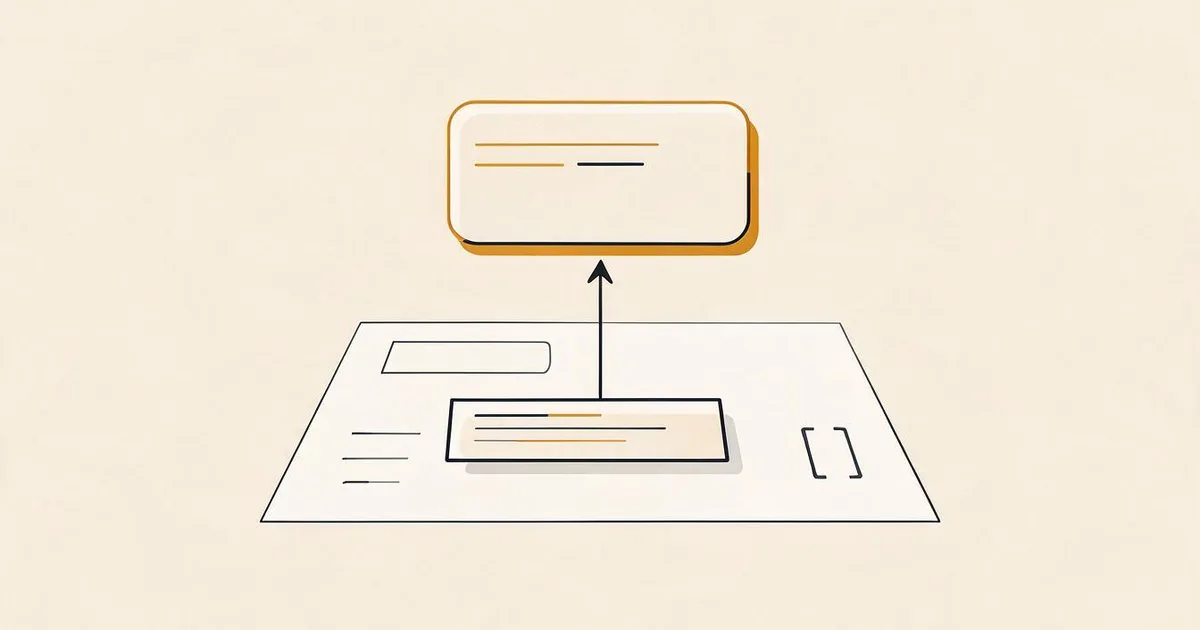
Engines pick the passage that most cleanly and completely answers the exact question, from a page they already trust. Trust comes from ranking. Clean answering comes from structure. You need both, and structure is the half most sites leave on the table.
In practice, the winning passage tends to share a pattern: it directly answers the question in the first sentence, it's the right length for the format (roughly 40 to 60 words for a paragraph snippet), it uses a real list or table when the query calls for steps or comparisons, and it's wrapped in schema that labels it as an answer. A rambling three-paragraph build-up before the point can't be extracted, no matter how good the underlying content is. The engine isn't judging your expertise, it's judging whether it can lift a clean answer without editing.
How do you format content for answer engines?
Format every target question as a question-format heading, followed immediately by a direct answer capsule, backed by the right schema. That's the core move, and it repeats across the page.
Question headings. Use the actual question as your H2 or H3 ("How much does a dental crown cost?"), matching how people search and how engines match queries to passages.
Answer capsules. Follow each question heading with a 40 to 60 word direct answer, leading with the answer itself, not a wind-up. This single move is the biggest driver of snippet wins.
Real structure. When a query wants steps, use a numbered list; when it wants a comparison, use a table. Engines lift lists and tables into rich snippets far more readily than prose describing the same thing.
Schema. FAQ and HowTo markup tell an engine "this is a question and this is its answer," removing the guesswork. Our free schema generator produces the exact JSON-LD this needs.
Is AEO worth it when answers get zero clicks?
Yes, for two reasons that outlast the click. First, owning the answer is brand real estate. Your name reads back in voice results and sits at the very top of the page, building recognition and trust every time it appears, click or no click. A boxed answer with your brand attached is an impression a rival didn't get.
Second, the structure compounds across surfaces. The exact answer-capsule-plus-schema format that wins a Google snippet is what AI Overviews and ChatGPT reach for when they build answers. So AEO work isn't a bet on one shrinking surface, it's the shared formatting layer that pays off across traditional search, voice, and AI answers at the same time. That's why we treat it as one of the highest-value investments on any content-driven site.
How do you start with answer engine optimization?
Start with an audit of your existing rankings. Find the pages that already rank on page one but don't own their snippets, list the questions you're eligible for but losing, and check whether your target answers are formatted for extraction and marked up with schema. Those page-one-but-no-snippet pages are the fastest wins in all of search.
If you'd rather have it handled, our answer engine optimization service runs that audit for a fixed $750, then implements answer capsules, question headings, and FAQ and HowTo schema from $2,500. And since ranking is the eligibility ticket, our guide on generative engine optimization covers the cited-source side, and getting your Google Business Profile optimized feeds the local answers too.
Ranking on page one but not in the answer box?
Free 45-minute call. We'll check which of your questions have snippets you could own and what's between you and them. No pitch.
Frequently asked questions about answer engine optimization
What is answer engine optimization in simple terms?
Answer engine optimization is structuring your content so search and AI engines lift it as the direct answer to a question. When you search and see a boxed answer at the top, or ask a voice assistant and hear one result read back, that is an answer engine at work. AEO is the practice of formatting your page so it becomes the passage the engine picks, instead of a competitor's.
Is answer engine optimization the same as SEO?
They overlap but aim at different outcomes. Traditional SEO earns a ranked link that people click. AEO earns the extracted answer box that sits above the links and often gets read without a click. Ranking makes you eligible for the answer box; AEO formatting gets you into it. Most pages that already rank on page one still lose snippets to competitors purely on structure, which is the gap AEO closes.
How does AEO win featured snippets?
By formatting for extraction. Each target question gets a question-format heading followed by a direct 40 to 60 word answer an engine can lift cleanly, backed by FAQ or HowTo schema so the structure is machine-readable. Lists become real HTML lists, definitions lead their sections, and facts sit as standalone statements instead of buried in prose. The same expertise, reshaped so an engine can quote it in one clean block.
Is AEO still worth it if snippets get zero clicks?
Yes. Snippet ownership is brand real estate: your name reads back in voice answers and sits above every other result, which builds trust even without the click. And the same answer-block structure that wins a text snippet is exactly what Google AI Overviews and ChatGPT extract, so the work pays off across traditional and AI search at once. It is the highest-value formatting investment a content site can make.
How long does answer engine optimization take?
Faster than most SEO. Snippet and People Also Ask changes can appear within two to six weeks of a re-crawl, because you are competing on structure rather than link authority. Pages already ranking on page one are the quickest wins, since the engine trusts them and just needs the extractable format. An AEO audit identifies which of your pages are snippet-ready and which questions are winnable.
Upcoming Brand | AI search optimization for US businesses, Maryland-based
We help businesses across Baltimore, Annapolis, Frederick, and the US win answer boxes and AI citations through answer and generative engine optimization, delivered remotely via Zoom and async reporting. Every engagement starts with a $750 audit and a prioritized target list, with implementation from $2,500 on WordPress sites. Book a free discovery call or email hello@upcomingbrand.com.
Ready to own the answer box?
Answer engine optimization from $750: snippet audit, answer capsules, question headings, and FAQ and HowTo schema. Fixed scope, measured against your targets.